Research on Ketamine Therapy & EMDR
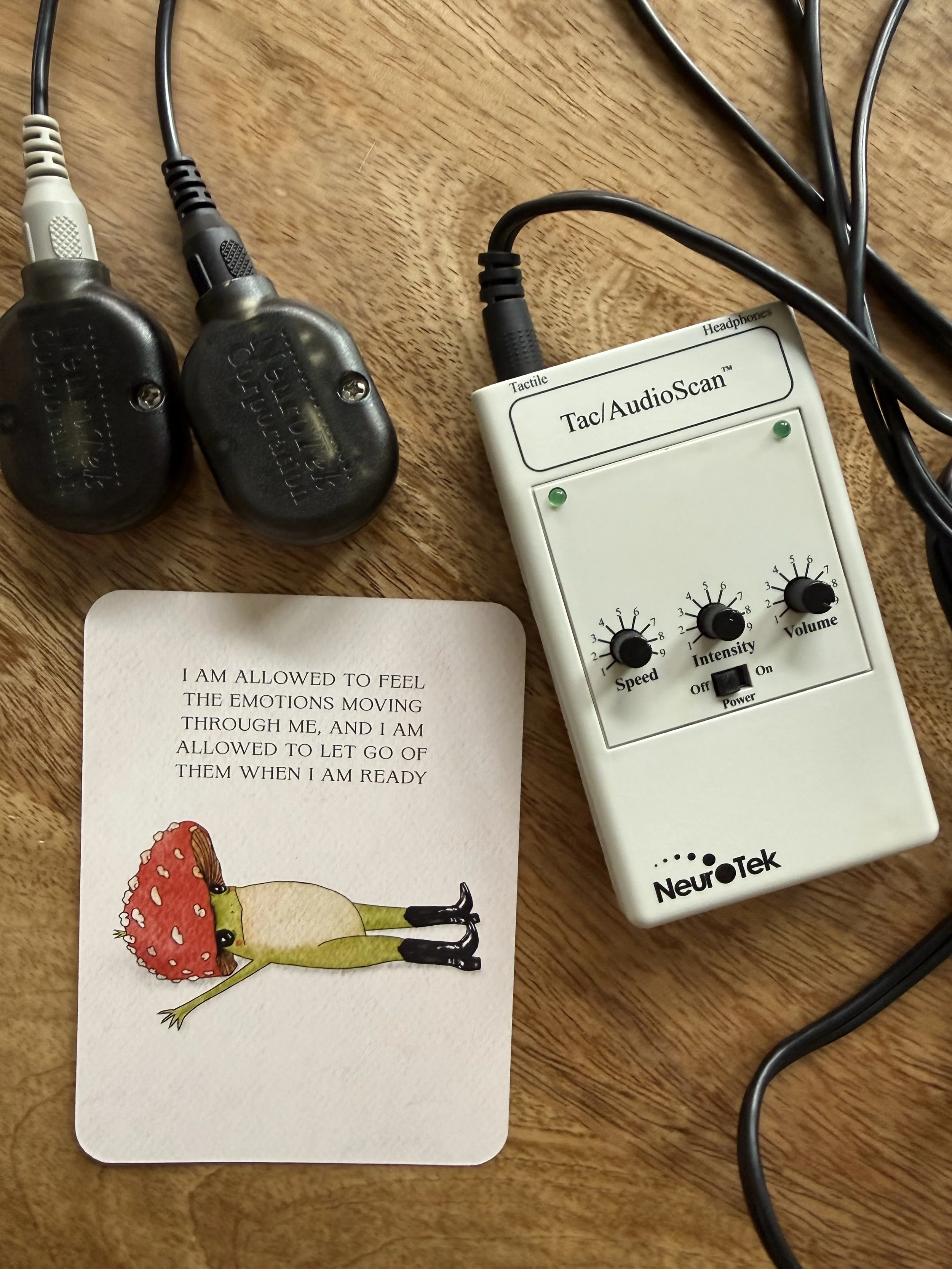
Ketamine-Assisted Psychotherapy for Trauma and Emotional Processing
Ketamine-assisted psychotherapy combines ketamine treatment with psychotherapy to support emotional processing and therapeutic exploration. Research suggests that incorporating psychotherapy into ketamine treatment may support improvements in symptoms of depression and anxiety, while helping some clients engage with difficult emotional material in a therapeutic setting. (Dore et al., 2019)
Ketamine, Neuroplasticity, and Emotional Flexibility
Ketamine has been associated with changes in neuroplasticity—the brain’s ability to form and strengthen neural connections. Researchers believe these effects may contribute to greater cognitive and emotional flexibility, potentially creating a window in which new patterns of thinking, feeling, and responding can be developed through psychotherapy. (Drozdz et al., 2022)
Ketamine Therapy and Changes in Emotional Patterns
Ketamine-assisted therapy may create opportunities for new perspectives and ways of responding to patterns involving fear, shame, or self-criticism. In a large multi-clinic outcomes study, clients reported sustained improvements in symptoms of depression, anxiety, and PTSD for up to six months following treatment. (Yermus et al., 2024)
The Role of Psychotherapy in Ketamine Treatment
In Ketamine-Assisted Psychotherapy, ketamine is incorporated into a broader therapeutic process that includes preparation, support during treatment, and integration afterward. Research suggests that combining ketamine with psychotherapy may help clients make meaning of their experiences and translate insights from ketamine sessions into ongoing therapeutic work. (Drozdz et al., 2022)
Why Ketamine Therapy May Support Therapeutic Change
Ketamine has been studied for its potential to produce relatively rapid changes in symptoms of depression and other mental health concerns. When combined with psychotherapy, this period may create opportunities to approach difficult emotions, experiences, and patterns in new ways. Some clients report meaningful shifts within a relatively short course of treatment, although individual responses and treatment needs vary. (Dore et al., 2019)
Ketamine Therapy for Trauma + PTSD Symptoms
Research on ketamine therapy for trauma and PTSD is still developing, but early studies have found promising reductions in PTSD symptoms for some patients. Research on ketamine-assisted psychotherapy has also reported improvements in symptoms of PTSD, depression, and anxiety, suggesting that ketamine may have a role in trauma-focused treatment when used as part of a broader therapeutic process. (Yermus et al., 2024)