Ketamine Therapy in Oakland & The San Francisco Bay Area
Trauma-informed ketamine therapy that integrates ketamine-assisted psychotherapy, EMDR, and IFS to help you work through experiences, emotions, and patterns that haven’t shifted through talk therapy alone.


What is Ketamine Therapy and Ketamine-Assisted Psychotherapy?
Ketamine therapy can take different forms. In Ketamine-Assisted Psychotherapy (KAP), ketamine is used as part of a therapeutic process with the support and guidance of a trained therapist.
While some ketamine treatment focuses primarily on medication administration, ketamine-assisted psychotherapy integrates the ketamine experience into a broader therapeutic process. In my practice, that process is trauma-informed and designed to help you work with underlying patterns, emotions, and experiences, not just symptoms.
For some people, ketamine may make it easier to approach emotions, memories, and experiences that have felt difficult to access in traditional therapy. Clients may experience familiar protective responses differently, creating an opportunity to explore underlying patterns with greater curiosity and openness.
In my practice, I integrate ketamine-assisted psychotherapy with EMDR therapy to address trauma, attachment wounds, and patterns that can feel difficult to shift through talk therapy alone.
This approach may be especially helpful for people who understand their trauma intellectually but still feel stuck in the same emotional, physical, or relational patterns. Ketamine assisted EMDR (KA-EMDR) creates another way to work with those patterns when insight alone hasn’t created the change you’re looking for.

Hi, I’m Mary (she/her)


I am a licensed therapist, Certified EMDR Therapist, trained Ketamine therapist, and EMDRIA-approved consultant in Oakland, CA.
I offer ketamine therapy in Oakland in collaboration with a licensed medical prescriber, with preparation and integration therapy built in.
My approach is integrative and intentional, combining ketamine therapy with IFS-informed EMDR to support deeper, more lasting trauma processing.
My goal is to help you use ketamine therapy as more than a standalone experience. Preparation, therapeutic support, and integration are built into the process so we can connect what comes up during ketamine work to the patterns and experiences you want to change in everyday life.
Why Combine Ketamine Therapy with EMDR?
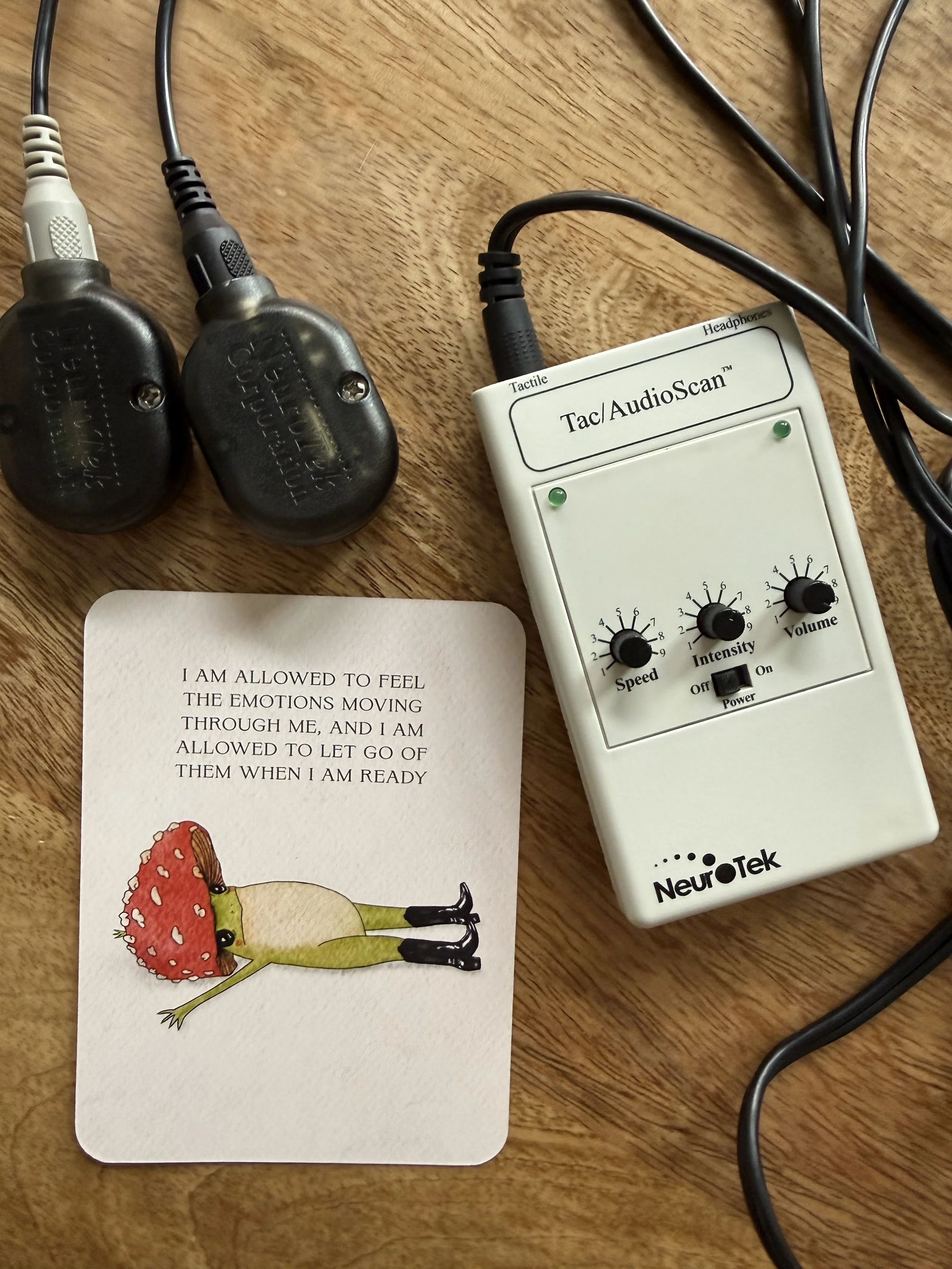
Ketamine may help create greater emotional openness and flexibility, while EMDR gives us a structured way to work with the memories, beliefs, and experiences keeping you stuck.
This approach may be especially helpful if you:
Understand your patterns but can't seem to change them
Have done therapy before but feel like you've hit a wall
Become overwhelmed or shut down when approaching difficult material
Struggle with long-standing anxiety, trauma, shame, or relationship patterns
How Does Ketamine Therapy Work?


Intake Session
We’ll start by getting to know your history and background, clarifying your goals for treatment, and exploring whether ketamine-assisted therapy is an appropriate fit for you. We’ll also review the KAP process, discuss what you’d most like to shift, and talk through what to expect if we move forward.

Medical Evaluation and Prescription
Before beginning Ketamine therapy, you'll have a consultation with a medical prescriber to assess your suitability for treatment. This meeting ensures that ketamine therapy is a safe and appropriate option for you based on your medical history and current health status. The prescriber will answer any questions you may have and work with you to create a personalized treatment plan that aligns with your goals.

Preparation
Before your ketamine session, we’ll spend time preparing for the experience together. We’ll discuss what to expect, identify intentions for the work, and explore the patterns or experiences you want to focus on so you feel informed and prepared going into your dosing session.

Ketamine-Assisted Therapy Sessions
In my Oakland office, you’ll take your prescribed ketamine in a private, comfortable setting while I support you throughout the experience. These sessions are designed to create space for inward focus, emotional exploration, and therapeutic work in a grounded and supportive environment.

Integration Session
After each dosing session, we’ll work together to process your experience and explore any emotions, insights, memories, or themes that emerged. Integration helps connect the ketamine experience to your ongoing therapeutic goals and identify ways to bring what you learned into your everyday life.
Ketamine Assisted EMDR Therapy
EMDR is an integral part of how I provide ketamine therapy. After preparation and initial ketamine-assisted sessions, treatment incorporates low-dose ketamine with EMDR to help you work directly with the memories, beliefs, emotions, and patterns underlying what brings you to therapy.
Ketamine assisted EMDR therapy (KA EMDR) involves taking a low dose of ketamine combined with active EMDR Therapy.
Rather than treating the ketamine experience as a standalone intervention, I use ketamine within a structured therapeutic process that includes preparation, EMDR, and integration.
Ketamine Therapy Structure & Investment
Initial Ketamine Therapy Intensive
Total package: $3,550
Includes:
90-minute intake
Client workbook
Collaboration with medical/ other treatment providers
Preparation session- 2 hrs
Two guided ketamine meditations- 3 hrs
2 Integration sessions- 50 mins
Ketamine Assisted EMDR
Sessions are $600 for 2 hours and are paid individually at the time of treatment.
Between EMDR sessions, you’ll engage in self-guided ketamine meditations at home to support and deepen the therapeutic work.
Medical evaluation, prescribing, and medication costs are paid separately and directly to your medical provider. Estimated cost: $250 medical intake and prescription, $150 follow up visits, and $100-200 for the prescription.
Every event we host is designed with intention, from the atmosphere we create to the way each session flows.
Financing Available Through CareCredit
CareCredit financing is available to help make ketamine therapy more manageable, with promotional financing options available for qualifying clients.
Learn more about CareCredit financing here.

Is Ketamine Therapy Right for You?
Ketamine therapy may be a good fit for people experiencing:
Complex trauma, childhood trauma, or unresolved emotional wounds
PTSD, depression, and anxiety
Emotional numbness, dissociation, or a sense of being “stuck.”
Persistent negative thought patterns, self-criticism, or self-limiting beliefs
Feeling easily overwhelmed in traditional therapy when processing difficult emotions or memories

The Science Behind Ketamine Therapy and EMDR
Ketamine has been extensively studied and is known to have rapid effects on both the brain’s neural circuits and emotional regulation. Research suggests ketamine may promote neuroplasticity, supporting the brain’s ability to form and strengthen new neural connections. This powerful effect helps reduce symptoms of trauma, anxiety, depression, and more.
By fostering neuroplasticity, Ketamine encourages new ways of thinking, feeling, and responding, which is why it’s such a valuable tool in trauma therapy. Its use in psychological healing is supported by decades of research, with promising results in treating trauma-related conditions.
When ketamine is paired with active EMDR therapy, the benefits of both approaches can be amplified. Ketamine can help reduce the emotional intensity and protective barriers that often make trauma difficult to access, while EMDR provides a structured, evidence-based approach for reprocessing and healing traumatic memories.
Dig into the Research Supporting Ketamine Assisted Therapy here.
Ready to Explore Ketamine Therapy in Oakland?
Schedule a free 20-minute consultation to learn more about ketamine therapy and whether this approach may be a good fit for you.
Frequently Asked Questions
-
Your ketamine prescriber will complete a separate medical evaluation to determine whether ketamine is medically appropriate for you. If your prescriber determines that you are not eligible for ketamine treatment, any unused portion of your deposit can be applied toward other therapy services with me or refunded.
-
You will be given a superbill for all direct therapy contact hours. Depending on your insurance, you may be eligible for out-of-network reimbursement.
Some insurance plans do provide coverage for the medical costs. You can discuss this with the prescriber and your insurance plan directly.
-
Yes, Ketamine is FDA-approved and administered in a safe, controlled environment with close monitoring by a licensed therapist.
-
Low-dose ketamine is a gentle, sub-anesthetic dose of ketamine that can help your nervous system soften and become more open to healing—without fully “checking out.” Most clients feel calm, slightly floaty, or more emotionally spacious, while still able to stay present and engaged in therapy. This often allows us to access harder to feel emotions with more ease and less overwhelm.
In my practice, we use low-dose ketamine intentionally to support focused trauma work (including EMDR and IFS therapy), not just symptom relief.
-
I work closely with a licensed ketamine prescriber who offers both Spravato and IM ketamine. If either option feels like a better fit for your needs, we can explore that together as part of your treatment plan.
-
I offer ketamine therapy in Oakland, California in the Adams Point Lake Merritt Neighborhood, in collaboration with a licensed medical prescriber. Sessions take place at my office in Oakland for clients in the East Bay, including Berkeley, Alameda, and surrounding communities.
I also offer preparation and integration sessions via telehealth throughout California to support your work before and after in-person dosing.
-
Ketamine-Assisted Psychotherapy (KAP) combines ketamine with psychotherapy to support deeper therapeutic work. Rather than using ketamine as a stand-alone treatment, the medication experience is incorporated into a larger therapy process that may include preparation, ketamine sessions, integration, and ongoing psychotherapy.
In my Oakland practice, I integrate ketamine therapy with EMDR and IFS-informed approaches to help clients work with trauma, anxiety, difficult emotions, and long-standing patterns that have felt hard to shift through talk therapy alone.
-
Traditional ketamine therapy often uses higher doses and focuses primarily on the medicine experience, followed by a separate integration session. My approach is different: we use a low dose of ketamine while doing active EMDR therapy in the session, so we’re actually working with the material in real time. It’s more focused, more efficient, and more cost-effective than the standard ketamine treatment model.
-
We will begin with checking in, setting your intentions for your experience, and then you will take the ketamine lozenge as prescribed by your medical provider.
The acute effects last for about an hour, where you will be focusing more internally on your experience, with the support and guidance of the therapist.
Towards the end of your session, we will engage in more active psychotherapy.
-
The number of sessions depends on your specific goals and the depth of healing needed. The standard course of treatment recommended to get the full benefit of KAP is 8 sessions.
Many clients choose a combination of self-guided at-home meditation sessions and with therapist low-dose ketamine + EMDR sessions. This brings down the cost of treatment significantly while boosting the effectiveness of the treatment.
-
Yes, Ketamine can complement other therapies like EMDR, IFS, or talk therapy, creating a more integrated and holistic approach to your healing.
-
I get it. Ketamine treatment can be a big investment. We can talk through a few ways to make it more doable, like working with one of my trained associate therapists at a reduced rate, shifting to 50-minute sessions when appropriate, or spacing sessions out in a way that still supports progress without overwhelming your budget. I also offer CareCredit financing with 24 month payment plan option.
-
Most ketamine clinics focus primarily on the medical side of treatment, you receive a dose of ketamine and are monitored, but there’s often little or no psychotherapy before, during, or after the session.
My approach is therapy-first.
Ketamine is used as a tool within a larger trauma-informed process that includes preparation, guided psychotherapy, and integration. We work together to process memories and emotions while your brain is more flexible and open to change — often combining ketamine with EMDR for deeper, longer-lasting results.
You’re not just receiving a medication. You’re supported the entire way through.
-
My approach to Ketamine Assisted EMDR Therapy draws from specialized training in both EMDR therapy and ketamine assisted psychotherapy.
I completed ketamine assisted psychotherapy training through Journey Clinical and advanced training through the Silvi Center for Integrative Health. My Ketamine-Assisted EMDR approach has been influenced by the work of Dr. Lisa Black, who developed and teaches a protocol that integrates EMDR and ketamine-assisted psychotherapy. Dr. Black's work builds upon earlier contributions from clinicians in the field who have been combining EMDR with expanded states of consciousness for decades.
Like many emerging treatment approaches, Ketamine Assisted EMDR Therapy has evolved through the contributions of multiple clinicians, researchers, and educators. My work is informed by these trainings, ongoing consultation, current research, and clinical experience working with trauma, PTSD, complex PTSD, anxiety, and depression.